

How to Turn Attention into Leads
The Missing Step Most Businesses Don’t Understand
Getting attention today is easy. Businesses post on social media. They publish content. They run ads. And yet, the same frustration keeps coming back:
“We get attention, but no leads.”
This is not a visibility problem. It’s not a platform problem. And it’s definitely not an algorithm problem.
👉 It’s a sales cycle problem.
Attention Is Not a Lead
One of the biggest mistakes in modern marketing is confusing attention with leads.
A view is not a lead.
A like is not a lead.
A follower is not a lead.
Attention is only a signal.
It means someone noticed you — nothing more.
When businesses try to sell at this stage, they create resistance instead of results.
This is why so much marketing feels exhausting and ineffective.
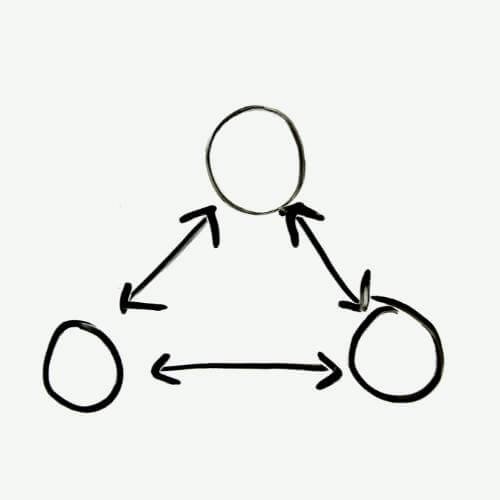
Sales Are a Sequence of Steps, Not a Single Action
This is the key idea most businesses miss:
Sales are a sequence of steps, not a single action.
This is exactly why so many businesses struggle with social media.
They expect sales to happen at the attention stage, even though attention is only the beginning.
We explain this mistake in more detail in our article on why social media marketing doesn’t work.
Where Attention Fits in the Sales Cycle
Attention belongs at the Image and Trust stage. Its role is to:
- Create awareness
- Build credibility
- Make people feel something
- Position your brand clearly
But attention alone is not meant to convert.
👉 Its role is to open the door — not to close the deal.
Leads come later, when trust is established and the next step feels natural.
Why Most Businesses Fail to Turn Attention into Leads
Here are the most common reasons attention doesn’t convert:
1. They try to sell too early
Selling before trust exists creates friction.
2. There is no clear next step
People don’t know what to do after consuming the content.
3. The message lacks clarity
If people don’t understand who you help and how, they won’t engage.
4. Calls to action are generic
“Contact us” is not a strategy.
Attention needs guidance, not pressure.
How to Turn Attention into Leads
Turning attention into leads is not about tricks or hacks.
It’s about structure and respect for the sales sequence.
Step 1: Be Extremely Clear
If people don’t instantly understand:
- who you help
- what problem you solve
- why it matters
They will not take the next step.
Clarity is the foundation of lead generation.
Every piece of content should answer one simple question:
“Why should I care?”
Step 2: Build Trust Before Asking for Anything
Leads only happen when trust already exists.
Trust is built through:
- education
- consistency
- relevance
- honesty
This is why content works — when it is used to teach, not to sell.
If trust is missing, no lead form will perform.
Step 3: Offer Value in Exchange for Contact
A lead is an exchange.
People share their contact details when:
- the value is clear
- the effort feels worth it
- the risk feels low
Guides, frameworks, checklists, and insights work because they continue the conversation instead of interrupting it.
Step 4: Create a Natural Transition
The best lead generation feels natural.
It sounds like:
“If this helped you, here’s the next step.”
Not:
“Buy now.”
A lead should feel like progress — not pressure.
Turning Attention into Leads Is About Relationships
A lead is not a goal.
It’s the beginning of a relationship.
When businesses focus only on numbers, they lose sight of this.
When they respect the sequence, everything becomes smoother.
- Attention creates awareness
- Leads create relationships
••Relationships create sales

Why This Step Changes Everything
Without leads:
- growth depends on luck
- sales feel random
- marketing becomes frustrating
With a structured lead strategy:
- conversations start naturally
- trust compounds
- sales cycles shorten
Turning attention into leads is not a tactic.
It’s a strategic bridge in the sales cycle.
Final Thought
If your business gets attention but no leads, the problem is not visibility.
It’s the missing bridge between attention and relationships.
Once you understand that sales are a sequence of steps,
you stop chasing clicks — and start building real connections.
FAQ
What does “turning attention into leads” mean?
It means guiding interested people toward a clear next step that creates a relationship, instead of pushing them to buy immediately.
Why doesn’t attention automatically generate leads?
Because attention only signals interest. Leads require trust, clarity, and a value exchange.
Is social media enough to generate leads?
Social media creates awareness and trust, but leads are generated when people are invited into a deeper conversation.
What is the biggest mistake in lead generation?
Trying to sell too early instead of respecting the sales sequence: trust first, relationship second, sales last.


